

Warehouse space doesn’t always run out — it just stops working properly.
Stock builds up, layouts get adjusted over time, and before long the racking that once made sense starts to slow everything down. Access becomes tighter, picking takes longer, and space that should be usable ends up being avoided.
That’s something we see regularly with businesses across Liverpool.
At Millennium Storage & Interiors, pallet racking is usually part of a wider conversation about how a warehouse operates. Not just how it looks on a plan, but how it functions day to day.
When Racking Starts to Work Against You
Pallet racking should make things easier, not harder. Over time though, it’s common to see:
- Aisles that are too narrow or poorly positioned
- Stock stored in areas that don’t quite fit
- Forklift access becoming awkward
- Space left unused because it’s difficult to reach
None of these issues tend to appear overnight. They build up gradually as the business changes, until the layout no longer suits the way things are working.
Making Better Use of the Space
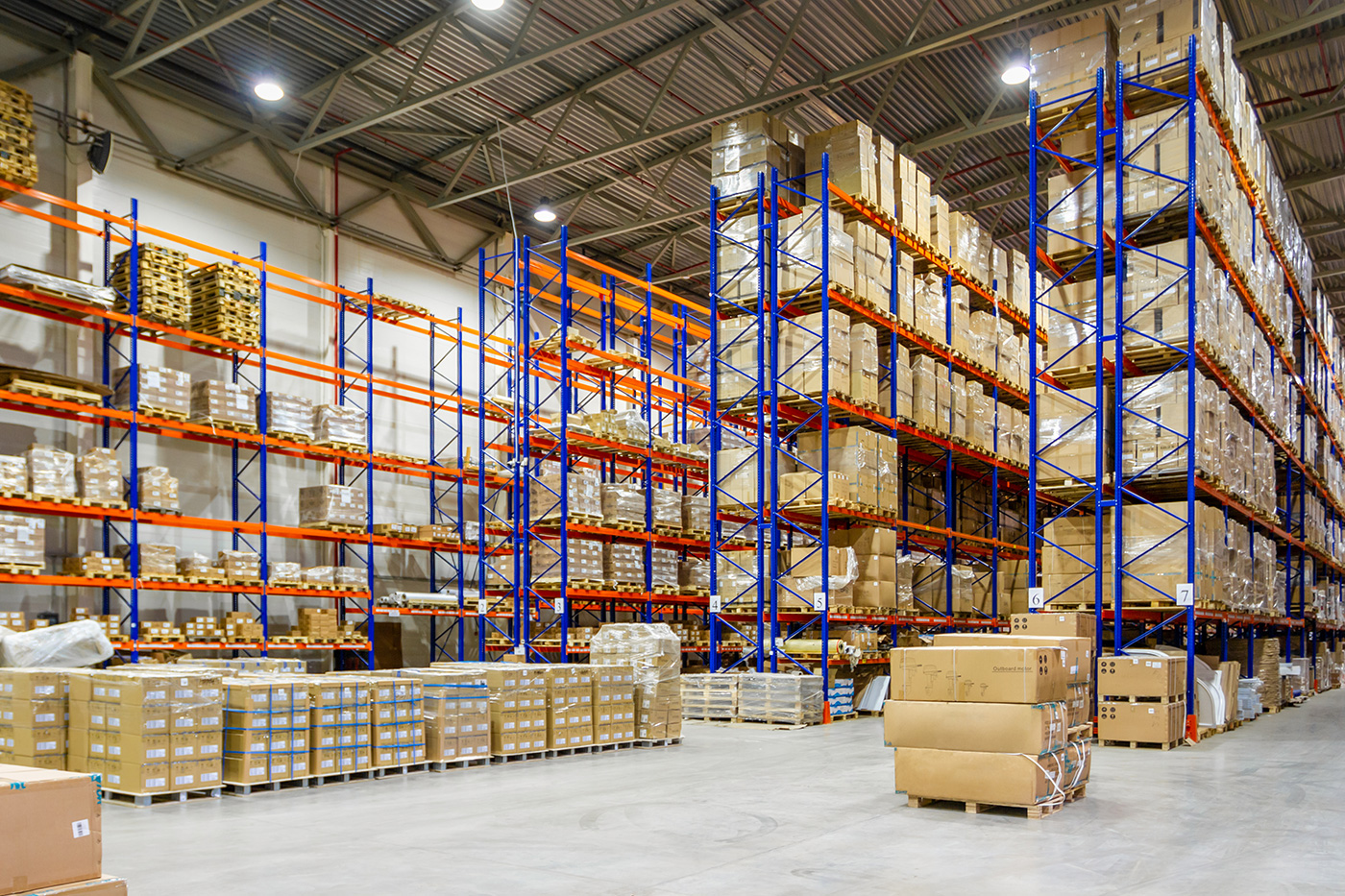
Good pallet racking isn’t just about adding more storage. It’s about using the space in a way that supports the flow of the warehouse.
In Liverpool, we work with warehouses of all types — from smaller trade units to larger distribution environments — and the approach always starts the same way. We look at how the space is actually used.
Where stock comes in, where it’s stored, and how it moves through the building tends to shape the solution.
Sometimes that means installing new pallet racking. Other times it’s about reworking what’s already there so it performs better.
No Standard Layout
Every warehouse has its own constraints. Column positions, ceiling height, access routes and equipment all affect how pallet racking should be arranged.
Because of that, there’s never really a standard way of setting pallet racking out.
Some businesses need to squeeze as much storage in as possible. Others are more focused on keeping things moving, so wider aisles and easier access take priority. Most sit somewhere in between.
It usually comes down to how the space is being used day to day, rather than what looks right on a layout drawing.
Installation That Works Around You
Most warehouses in Liverpool are busy environments that can’t simply stop while work is carried out.
We’re used to planning pallet racking installations so they fit around day-to-day operations as much as possible. That might mean phased installation or working around key access points to keep things running.
A Practical Approach Across Liverpool
We’ve delivered pallet racking solutions across Liverpool and the wider North West for many years. A lot of our work comes through recommendation, which usually comes down to keeping things straightforward and delivering something that works long term.
If your warehouse layout is starting to feel inefficient or difficult to manage, it’s often a sign that the racking needs a closer look.
Thinking About Pallet Racking in Liverpool?
If you’re considering pallet racking in Liverpool, we can visit your site, walk the space and talk through what would make it work better.
No pressure — just a practical look at how your warehouse could be set up more effectively.