

Warehouse space rarely runs out overnight. It usually happens bit by bit. Stock levels creep up, layouts get adjusted, temporary fixes become permanent, and eventually the space just doesn’t work as well as it used to.
We see that a lot with businesses around Manchester.
At Millennium Storage & Interiors, warehouse storage is something we’re often asked to look at when day-to-day operations start feeling harder than they should. Not because a building is too small, but because the way it’s being used hasn’t kept up with how the business now operates.
Sorting warehouse storage is usually less about adding more, and more about making what’s already there work properly again.
When Warehouse Storage Starts to Become a Problem
In a lot of Manchester warehouses, storage builds up wherever there’s space at the time. Pallets end up stacked awkwardly, access routes get narrowed, and areas that were never meant for storage slowly turn into holding zones.
Over time, that starts to affect more than just space. Picking takes longer, forklifts have less room to move, and staff end up working around the layout rather than with it.
That’s usually the point where it’s worth stepping back and looking at how the warehouse is actually being used.
Looking at the Space as It Really Is
We don’t start with assumptions or standard layouts. The first step is always to walk the warehouse and see how it operates in practice.
Where stock tends to build up, which areas feel congested, and how goods move in and out of the space becomes clear pretty quickly once you’re on site. Often the issues aren’t dramatic — just the result of a layout that’s never been revisited as the business has changed.
From there, warehouse storage tends to fall into place. Sometimes it’s reorganising existing racking. Other times it’s introducing new storage systems or reworking access so the space flows better. The aim is always the same — make the warehouse easier to work in.
Warehouse Storage That Fits the Job
Warehouse storage in Manchester varies widely depending on the business. Distribution centres, manufacturers, trade counters and mixed-use units all use their space differently.
We regularly work with warehouses that need to store:
- Palletised goods
- Mixed or irregular stock
- High-turnover items
- Bulky or awkward materials
Often it’s not about maximising storage at all costs, but finding a balance between capacity, access and day-to-day efficiency.
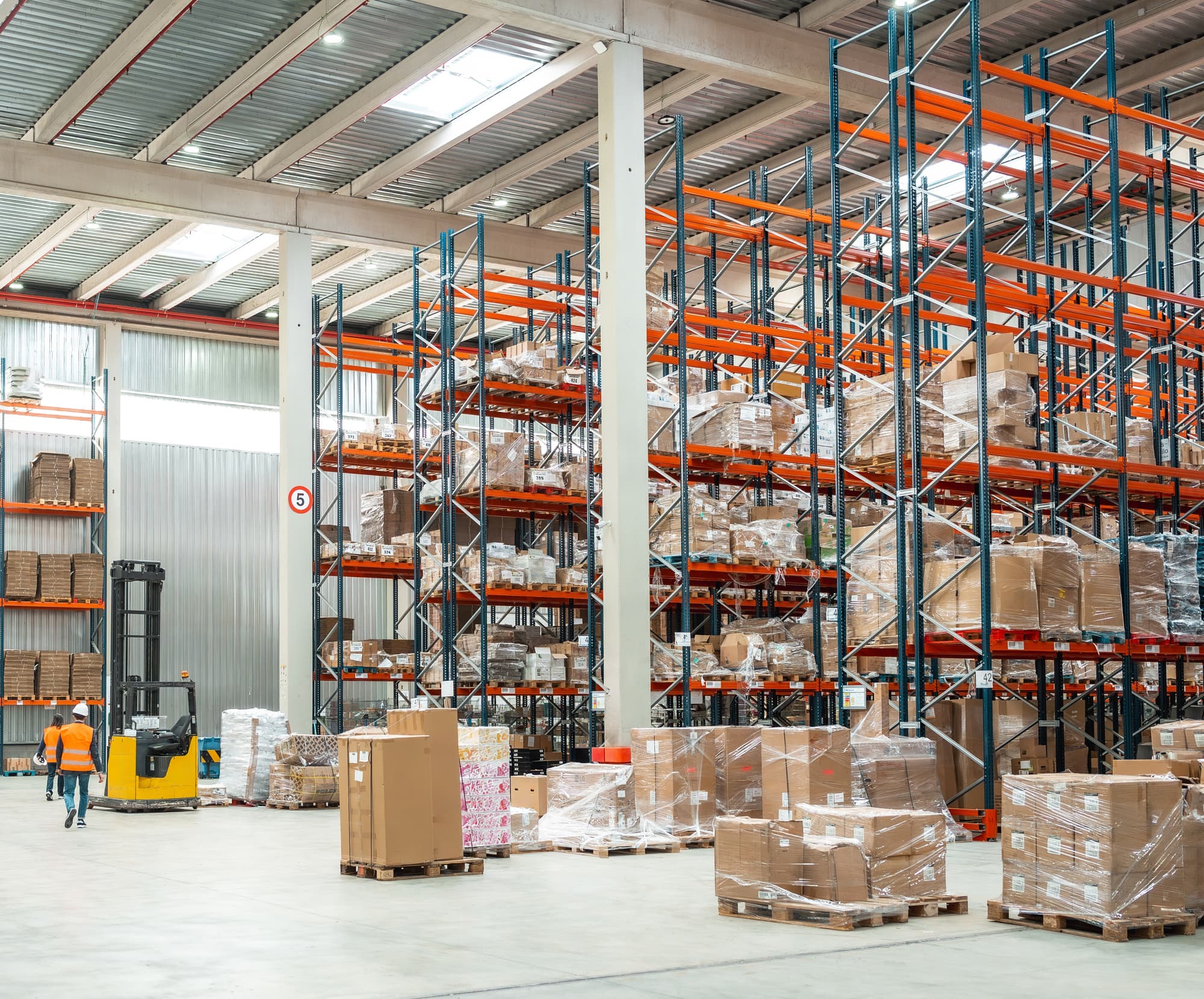
Built for Daily Use
Whatever storage is put in place has to stand up to real use. Forklifts, pallet trucks, repeated picking and regular movement all take their toll over time.
That’s why practical details matter. A warehouse storage system needs to be laid out so it can be used comfortably and safely, not just look good on a plan. If it makes everyday tasks harder, it’s not doing its job.
Working Around Live Warehouses
Most warehouses in Manchester can’t stop operating while changes are made. We’re used to working in live environments and planning work so disruption is kept to a minimum.
That usually means working in stages, keeping access clear where it’s needed, and being realistic about what can be done without affecting day-to-day operations.
A Practical, Long-Term Approach
We’ve been working with warehouse storage across Manchester and the wider North West for many years. A lot of our work comes from repeat clients or recommendations, which tends to happen when changes make a genuine difference and hold up over time.
If your warehouse is starting to feel cluttered, inefficient or awkward to work in, it may be time to take another look at how the space is laid out.
Thinking About Warehouse Storage in Manchester?
If you’re looking at warehouse storage in Manchester, we’re happy to come out, walk the space and talk things through. No pressure, no sales pitch — just a practical look at what could work better.
For many businesses, small changes to warehouse storage have been enough to make the space usable again without needing to move.